Hydropower Station Gantry Crane


Introduction
Technical Data
Application
Features
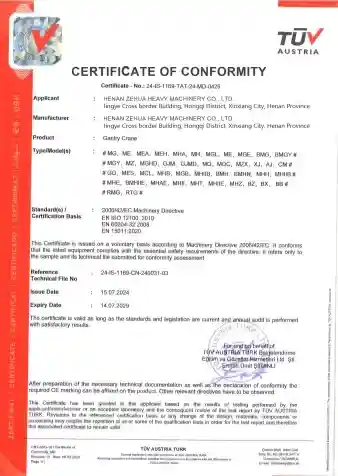
Certificate
Inquiry
PRODUCT INTRODUCTION
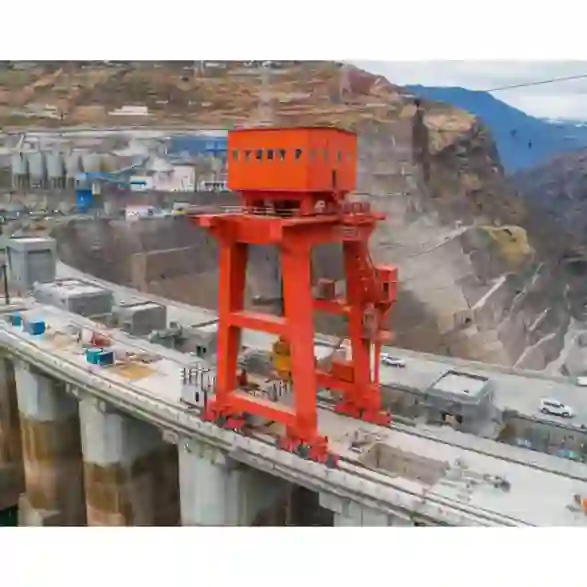
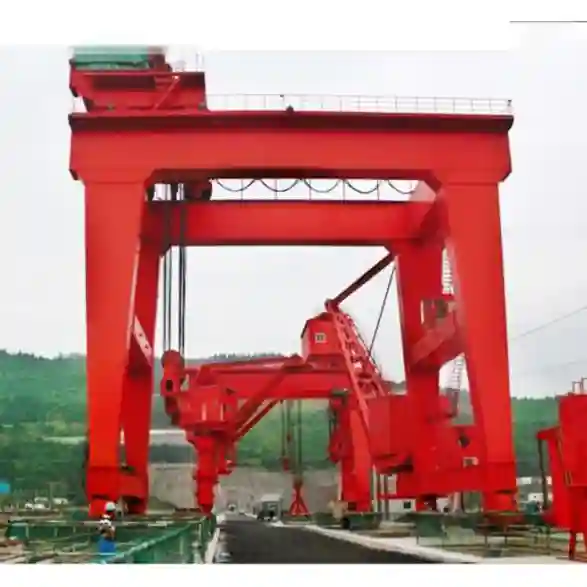
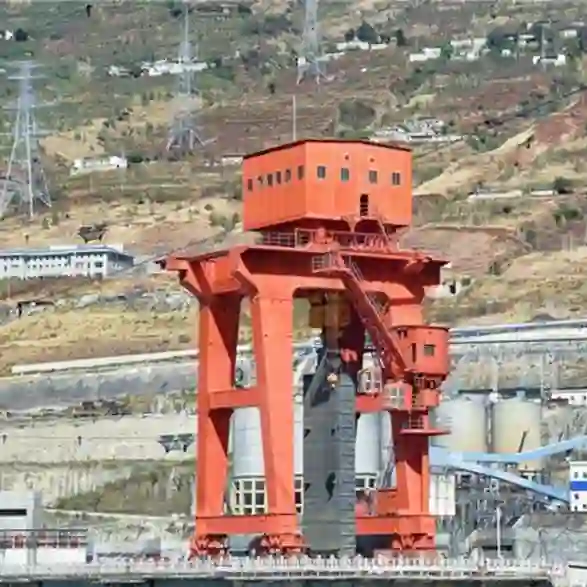
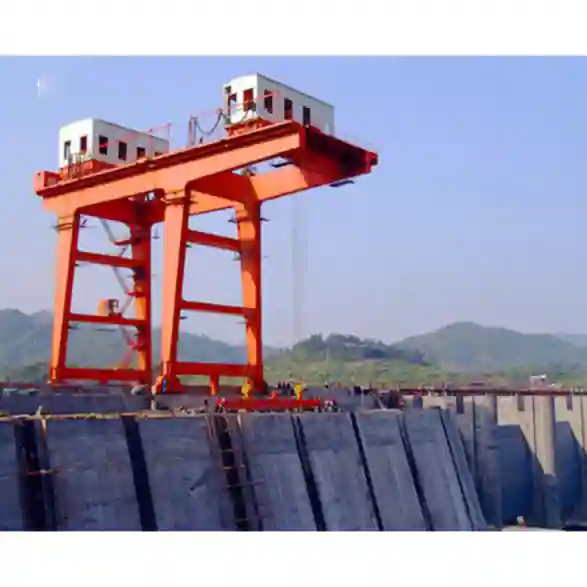
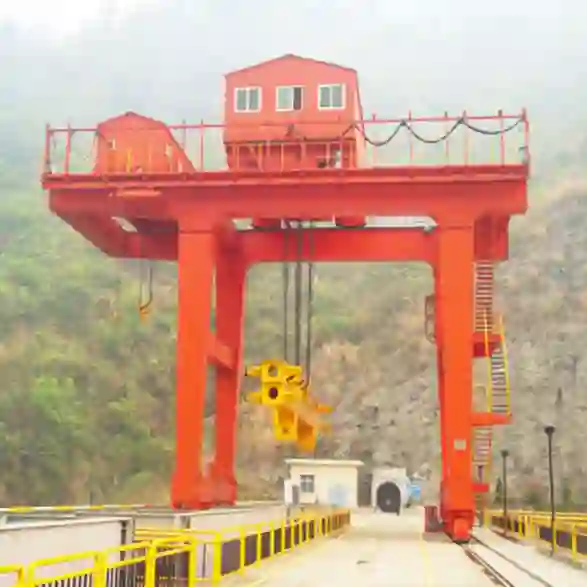
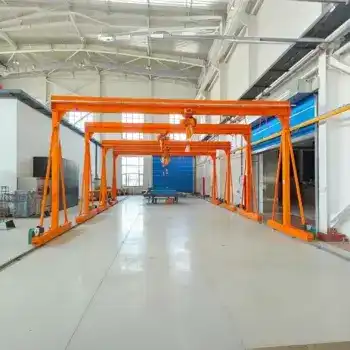
The Hydropower Station Gantry Crane is a custom‑engineered, heavy‑duty overhead lifting system purpose‑built for the unique demands of hydroelectric power generation. It combines exceptional load capacity, pinpoint positioning accuracy, and rugged durability to operate reliably in high‑humidity, outdoor, and semi‑enclosed powerhouse environments over a service life of 50+ years.
TECHNICAL DATA
| Parameter | Specification | Parameter | Specification |
|---|---|---|---|
| Machinery Test Report | Provided | Warranty | 1.5 year |
| Video outgoing-inspection | Provided | Rated Lifting Moment | 800N |
| Max. Lifting Height | 6M~12M | Weight (KG) | 35000 |
| Place of Origin | Henan, China | Application | Outdoor Yard |
| Lifting Weight | 50~100t | Span | 18~35m |
| Primary Lift Height | 11.5~12m | Working Class | A3 |
RELATED PRODUCTS

APPLICATION
Application Industry – Six Core Segments
1.Large‑Scale Reservoir Hydroelectric Plants
High‑capacity cranes (300 t and above) are deployed for handling massive turbine runners, generator rotors, main transformers, and spiral cases during both initial construction and major overhauls. The extreme weights and critical alignment tolerances demand robust structures and micron‑level positioning.
2.Pumped‑Storage Hydroelectricity (PSH) Facilities
These plants require frequent lifting of reversible pump‑turbine components and motor‑generator sets. The crane must support high duty‑cycle operations, rapid changeovers between pumping and generation modes, and precise extraction/insertion of large vertical shafts – often in confined underground caverns.
3.Run‑of‑River Hydro Stations
Compact powerhouse layouts with limited clearance call for cranes with narrow spans and flexible control. Typical tasks include installing bulb turbines, Kaplan runners, and intake gates, as well as performing routine maintenance without dewatering the entire headrace – demanding both agility and corrosion resistance in wet environments.
4.Hydropower Equipment Manufacturing & Pre‑Assembly Yards
Off‑site fabrication facilities use gantry cranes to pre‑assemble stator segments, shaft sections, valve bodies, and wicket gates. These operations require exceptional accuracy for subsequent field erection, and the crane often handles irregularly shaped loads with custom lifting beams.
5.Dam Gate, Spillway, and Intake/Outlet Structure Operations
Dedicated outdoor or semi‑outdoor gantry cranes are essential for raising and lowering stop logs, trash racks, radial gates, and emergency closure gates. These tasks are critical for flood management, sediment flushing, penstock dewatering, and tailrace inspection – with added wind‑lock and anti‑corrosion features.
6.Rehabilitation, Upgrade, and Life‑Extension Projects
Many ageing hydropower stations undergo modernisation to improve efficiency or increase capacity. The crane is used to extract obsolete turbine‑generator sets and install new units within existing overhead clearance, often requiring customised outreach, telescopic jibs, or auxiliary lifting devices to navigate legacy building constraints.